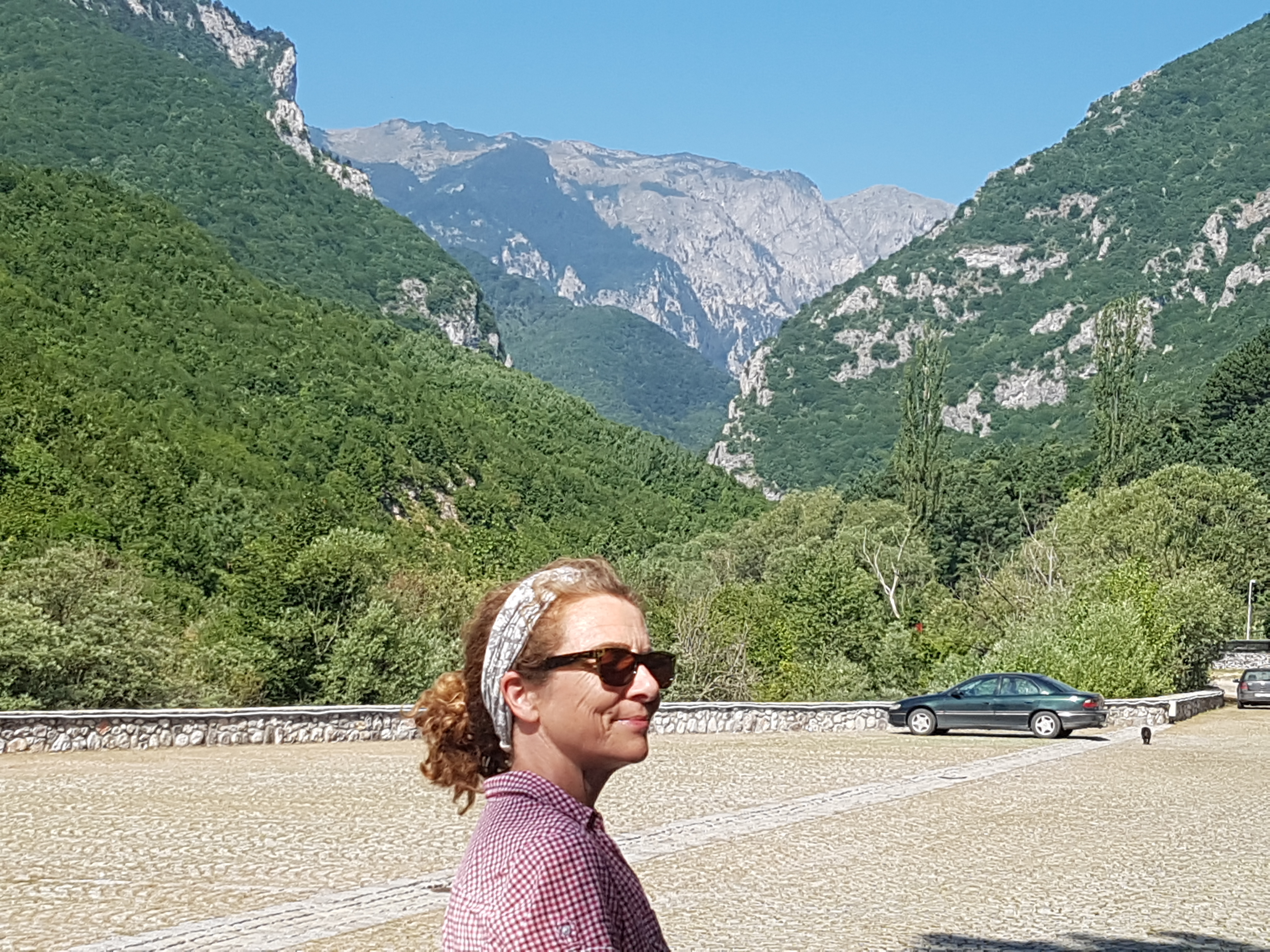
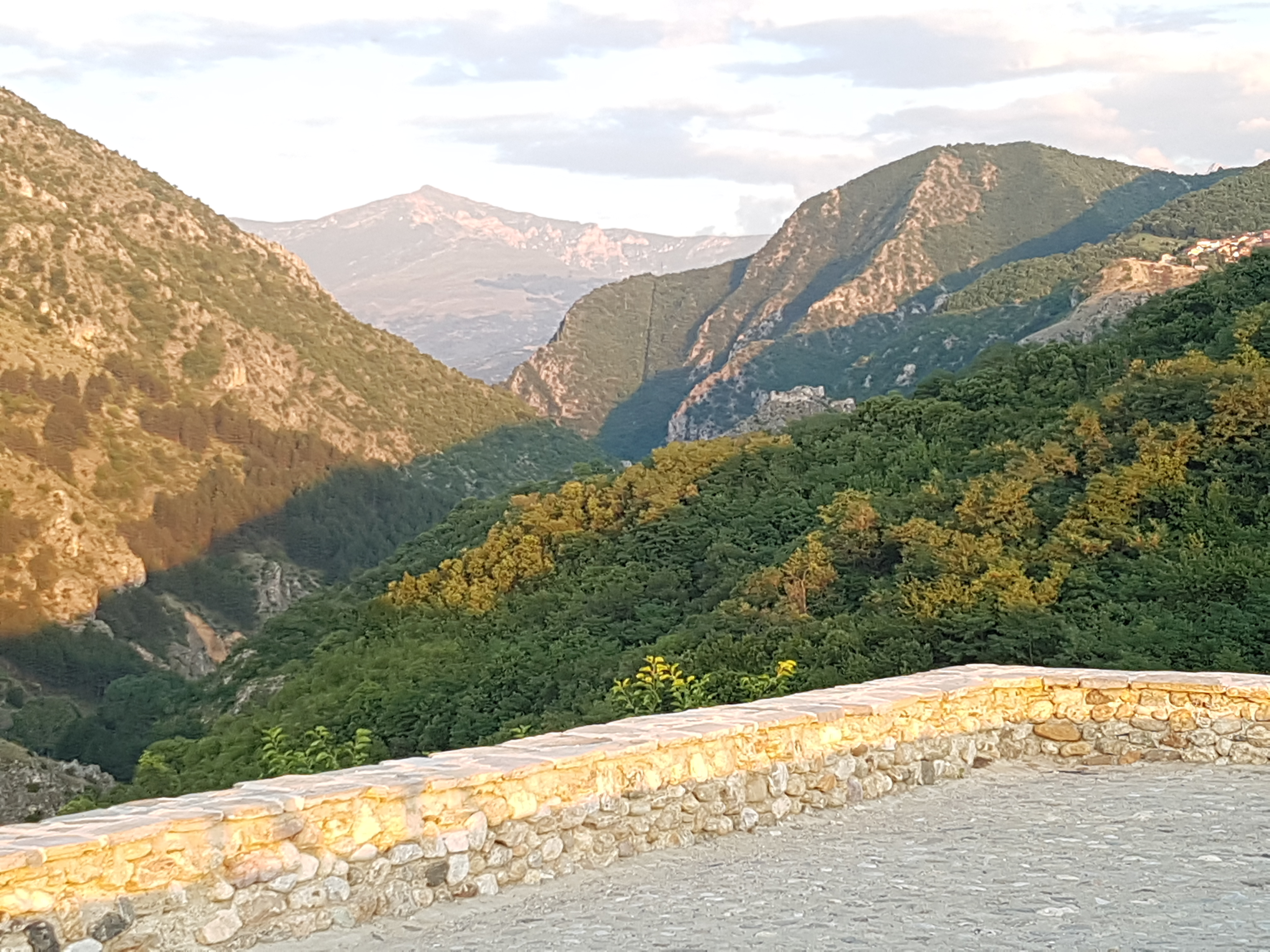
The Accursed Mountains overlooking Pec
Day 97 (14 weeks): Our brief seven day tour of Kosovo has involved visits to three cities/towns, Prizren, Pristina (the capital) and Peje/Pec.
Quite by chance, our arrival in Prizren described as a cultural hub coincided with an annual film festival. That gave us our first challenge. The city was very busy. There were lots of cars with various European plates including, German, Italian, Swiss and Austrian. I assumed they were people here for the film festival until someone told me that many Kosovans work all round Europe and bring their big fancy cars home with them when they visit.
The second problem was that the roads in Prizren were not built to accommodate the number of vehicles that currently use them. Everywhere, motorists park on the pavements full blocking access. That provides the ridiculous situation where pedestrians are forced to walk along busy roads. It was unnerving and made worse because we had a 20 minute walk from our hotel in the old town.
The war in Kosovo ended 20 years ago in 1999. There are however, still stark reminders of the conflict. These include derelict sites when bomb damaged buildings have been demolished. We saw a number of both mosques and churches that were damaged and have yet to be repaired. St Georges Church in Prizren is currently being repaired and is not open to visit. Armed security guards challenged me when I approached the Church. On another occasion in Peja, at a Monestery, we were asked show identification before we were allowed to enter.
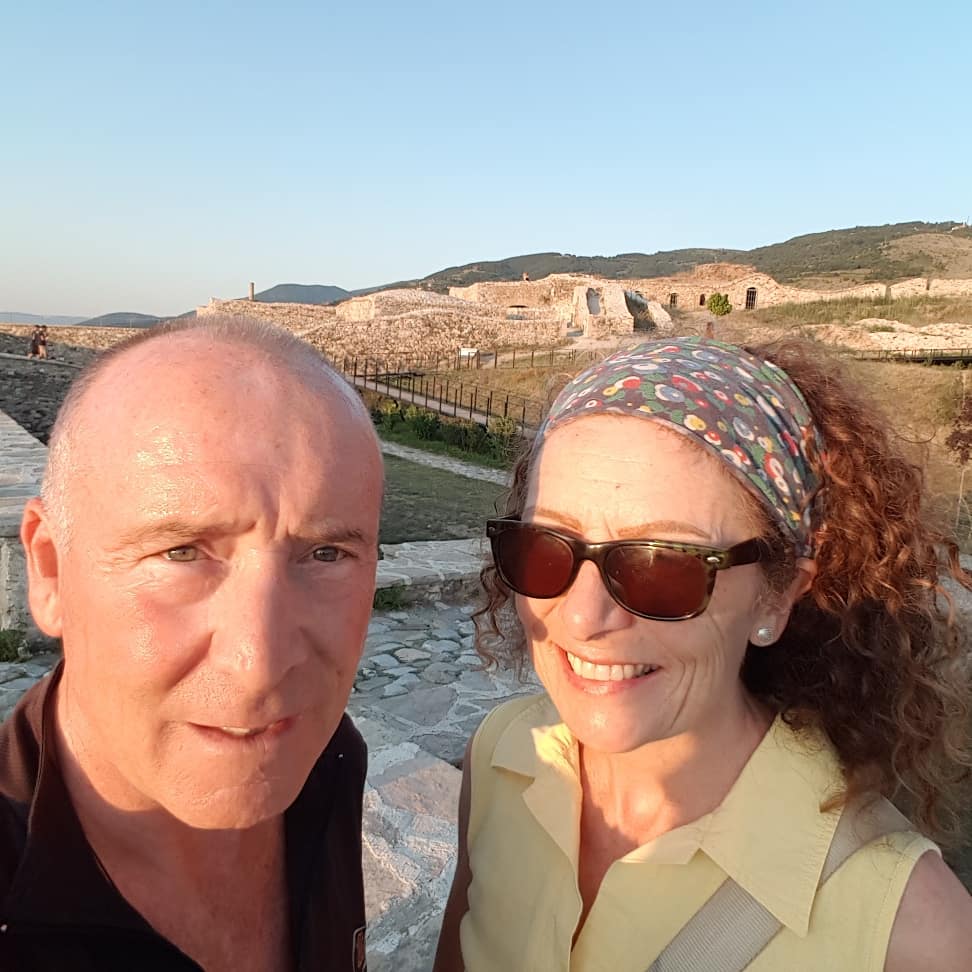
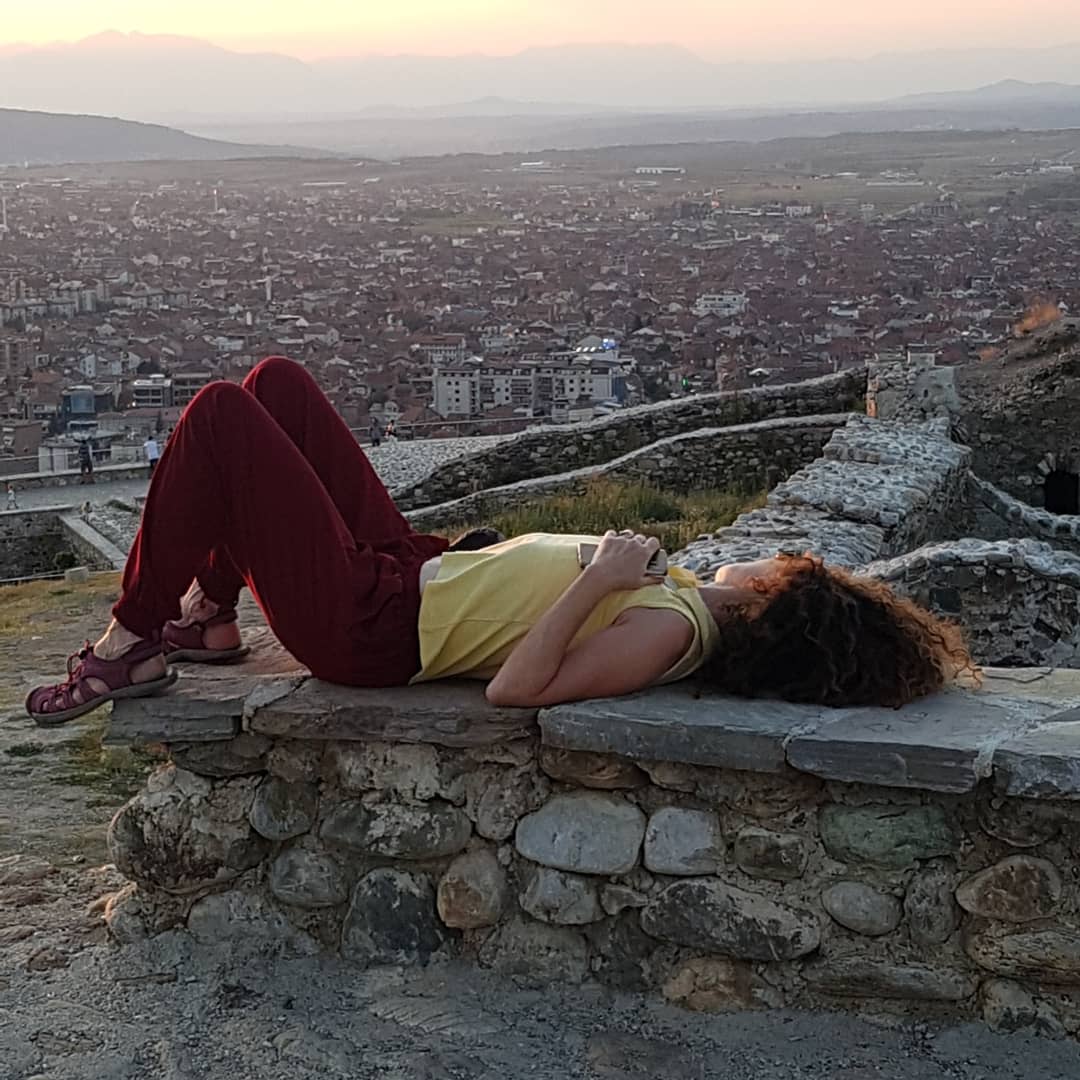
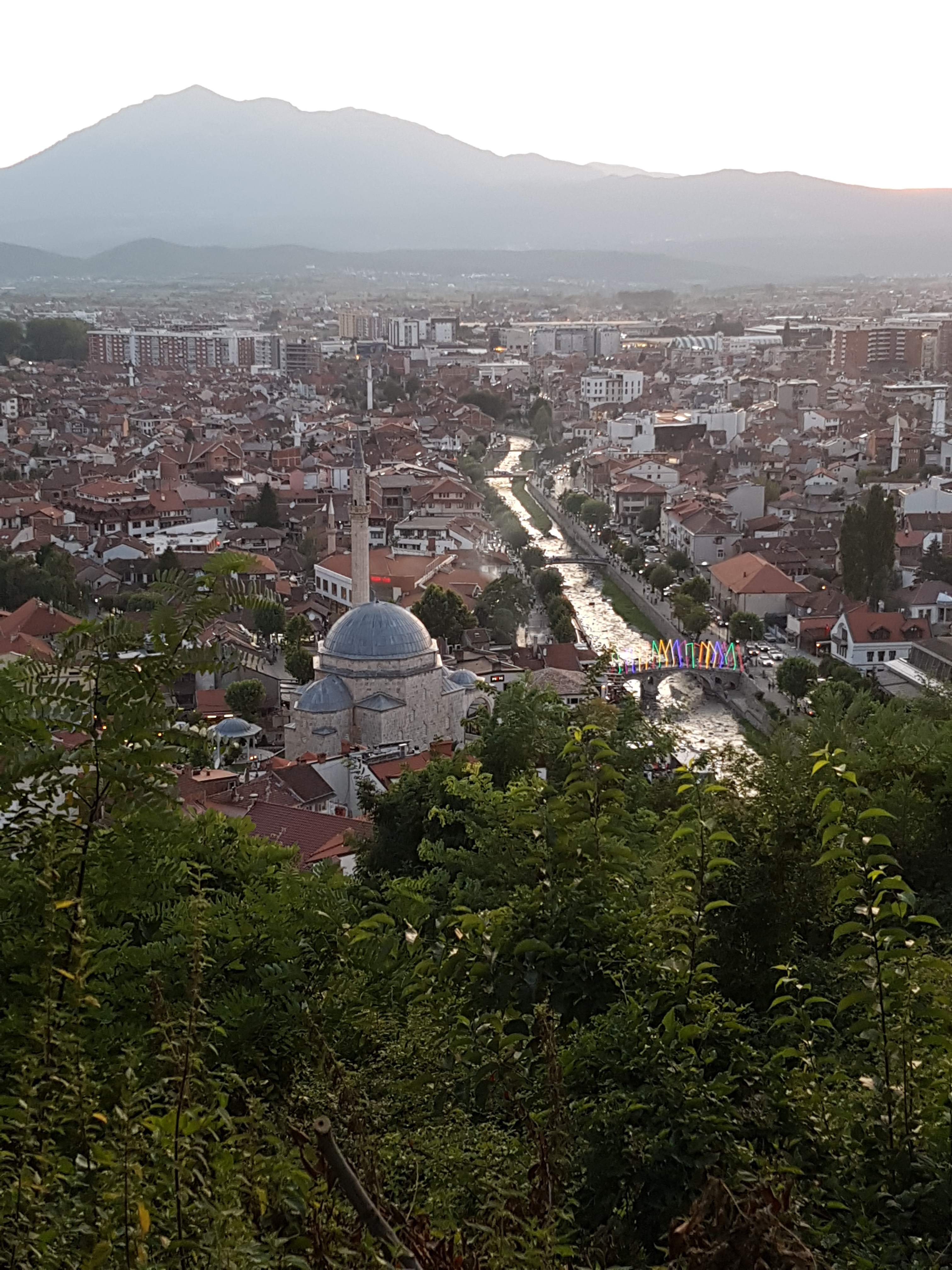
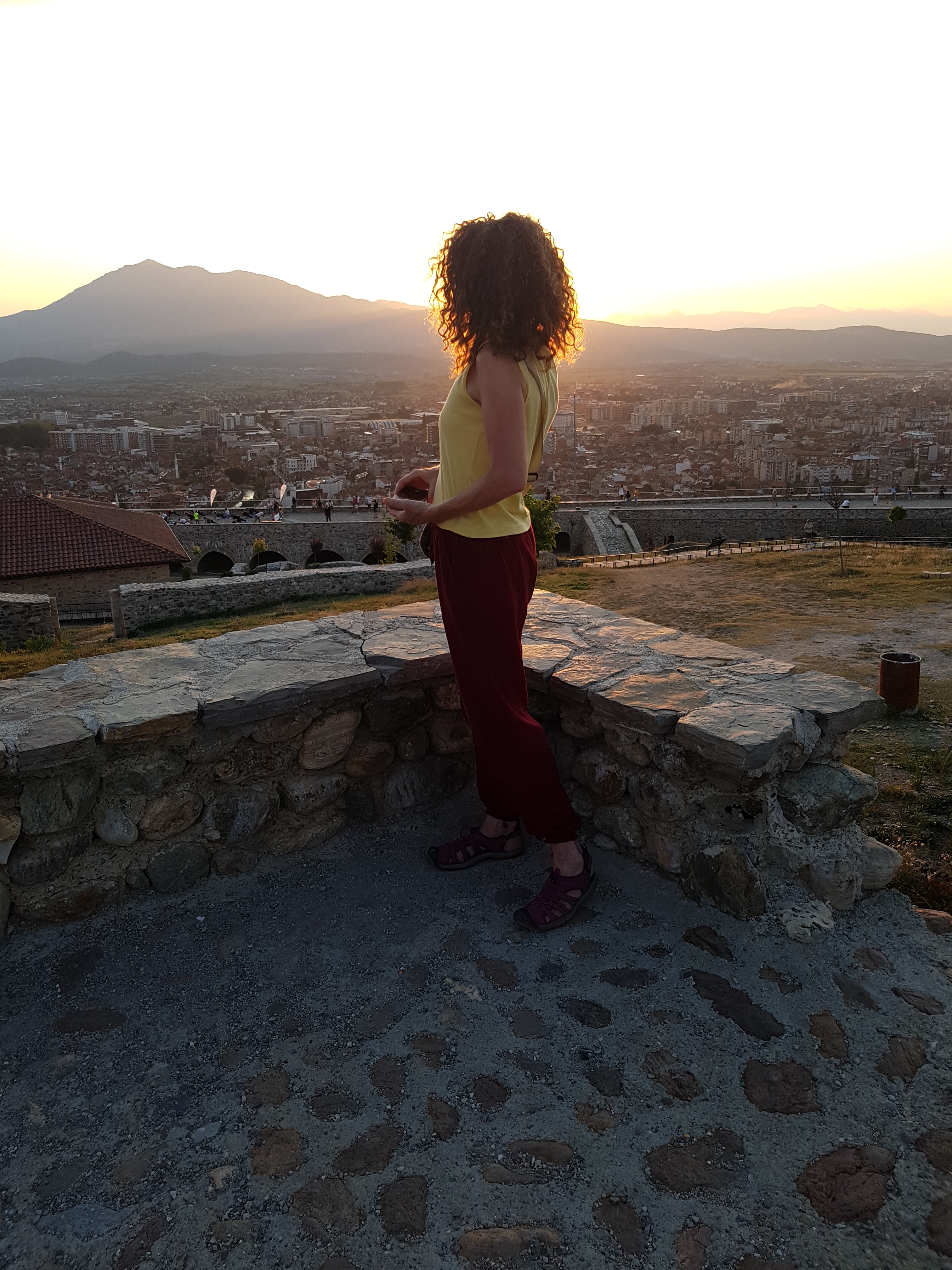
The highlight of our visit to Prizren was the 20 walk up to the fortress (Kalaja) to get the best view of the City and to watch the sunset.
We booked an apartment right in the centre of Pristina three nights a 2 minute walk from the Mother Teresa Boulevard. I suggested that it was so well equipped that I woudn’t mind living in it.
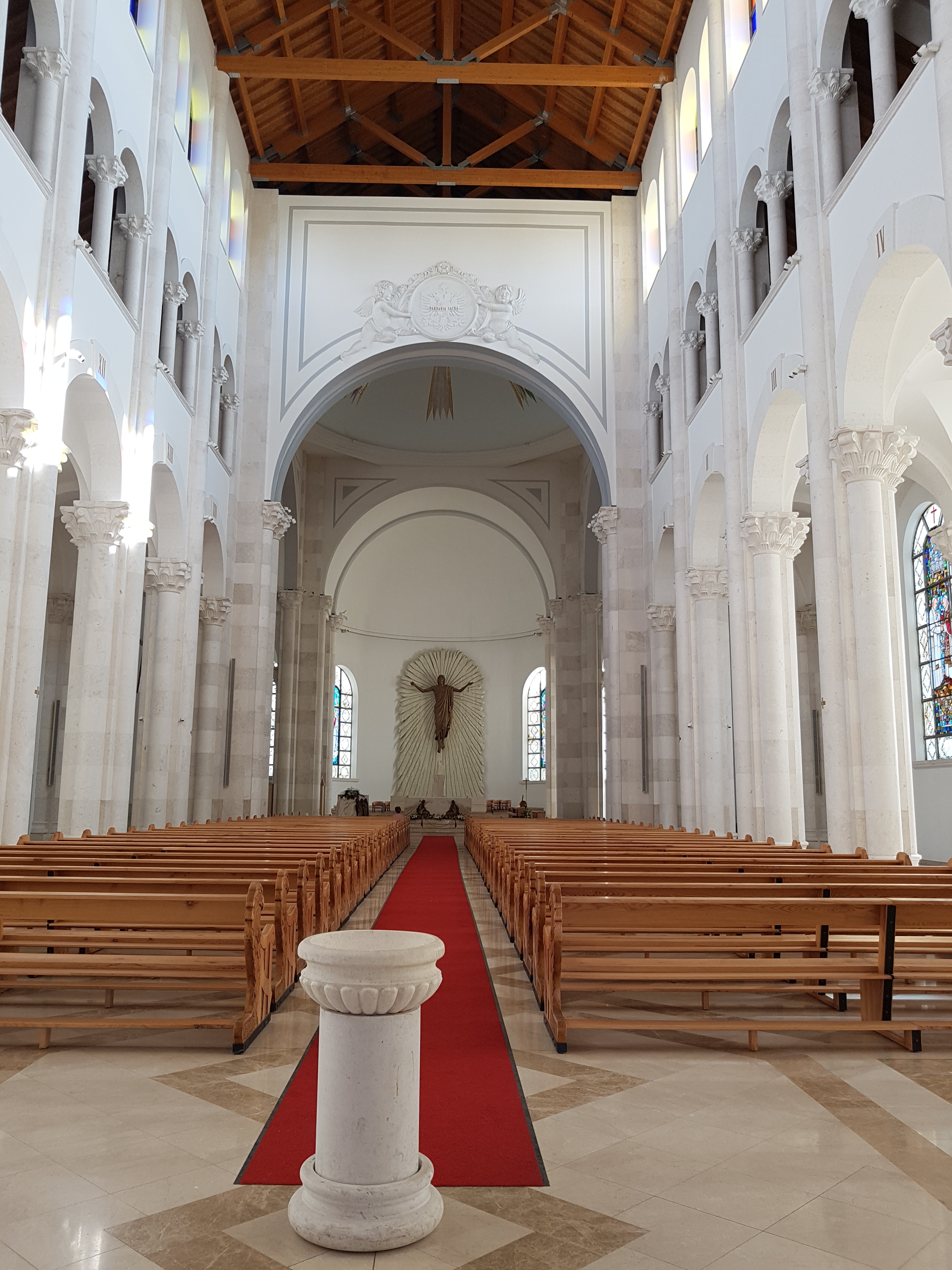
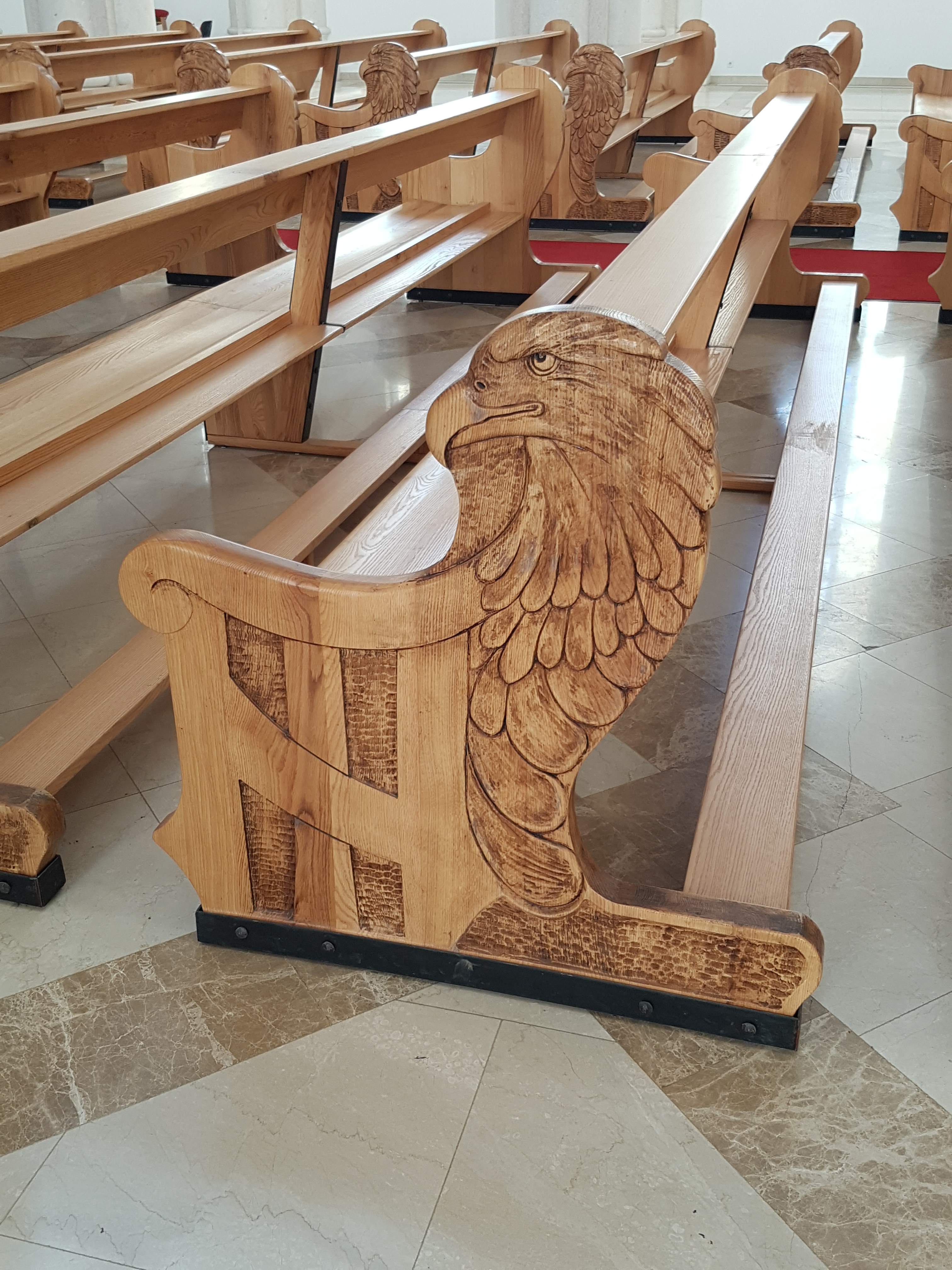
I must relay an anecdote. We were mooching around sightseeing when we visited the recently opened (2016) Cathedral of Mother Teresa, a large impressive modernistic cathedral in the centre of the City. The City fathers hope the building of a large Christian church in the heart of Muslim city will help with to build bridges between the religous communities.
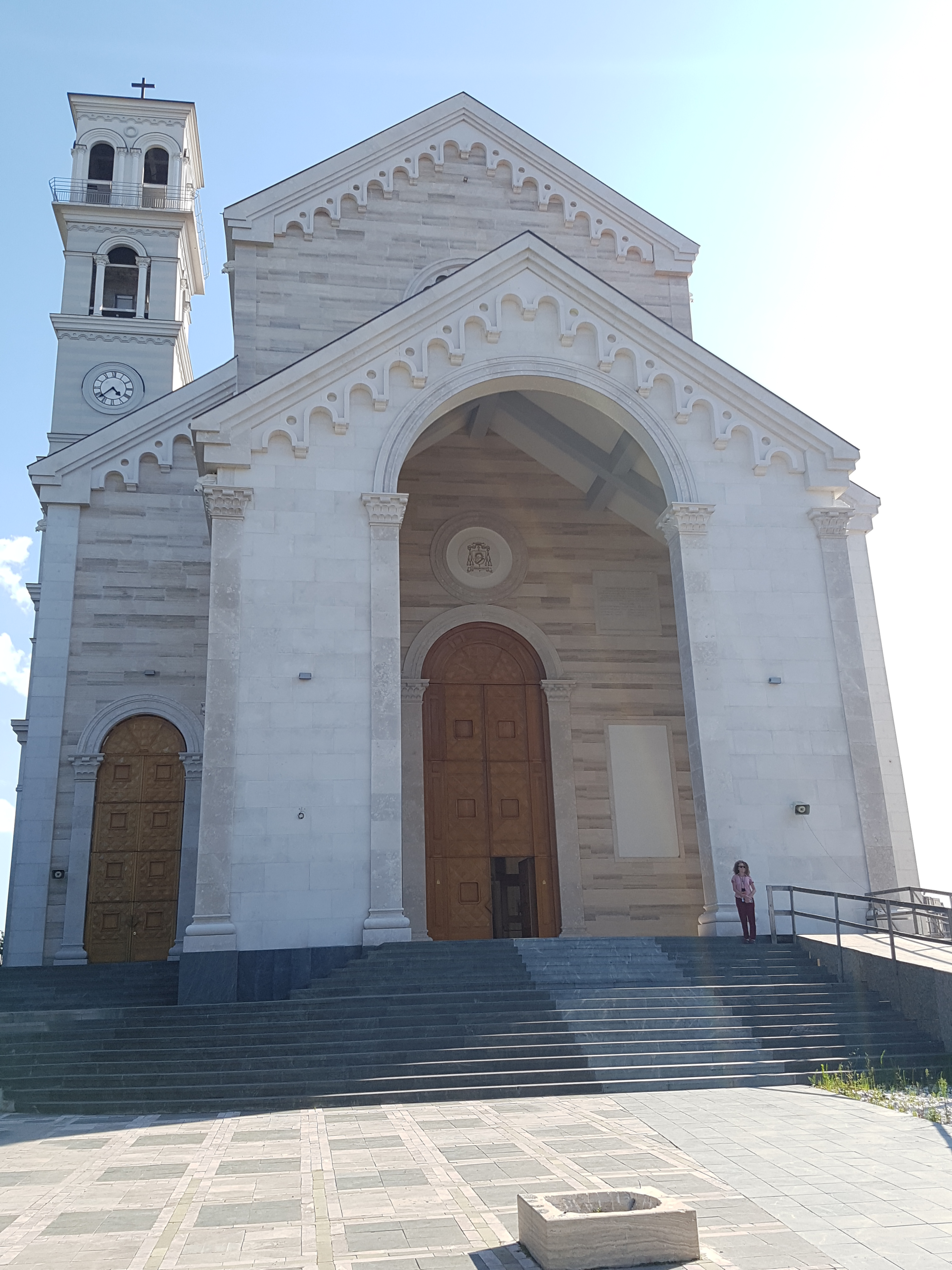
A man of about 30, who appeared to be working in the Cathedral, called over to me, “where are you from?” “England” I responded, to which he burst out laughing. “What’s so funny?” I asked. “We don’t get many English here. German’s, Austrian’s, Dutch but not English. I used to work in London, opposite Harrods, he said. Oh! I said, have you moved back to Kosovo permanently? I asked. “Got deported” he said. Oh! I said, “Why?”. “I was imprisoned for 42 months for my part in a fatal stabbing” he said. “I got out after 6 weeks and they deported me”. “He went on, “I went to school in west London and my parents still live in Battersea”.
You can imagine, I was just a little uncomfortable, when he said, “my brother runs a restaurant down the road, where I work. Why don’t you come along for a meal”. To my shame, I made my excuses and fled. I now regret not taking the man at his word and accepting his invitation.
Itm think its fair to say, Kosovo isn’t, at the moment, fully geared-up for mass tourism. We couldn’t find a usable city map in Prizren. We struggled to find the Ethnological Museum in Pristina. When we eventually got there, there was no sign outside to let you know it was a museum.
Using train in the Balkans has been an experience. In Bulgaria, the rail stock was antiquated and in a poor state of repair. The Railway Station at Popovo was a large ultaritarian building with a 300m platform and 8 lines but only 3 in use. It felt like I had stepoed back in to the communist era.
In Pristina, there was one line and a siding. When the train pulled in, the engine disengaged, moved along the siding and hooked on to the other end of the four carriages to take the train back in the other direction. The ticket office was unable to sell me a ticket as the computer was broken? With that said, the train was clean and on time and it was a pleasant journey even though, the driver blew the horn constantly throughout the two hour journey to Peja. See the photos below of the Station.
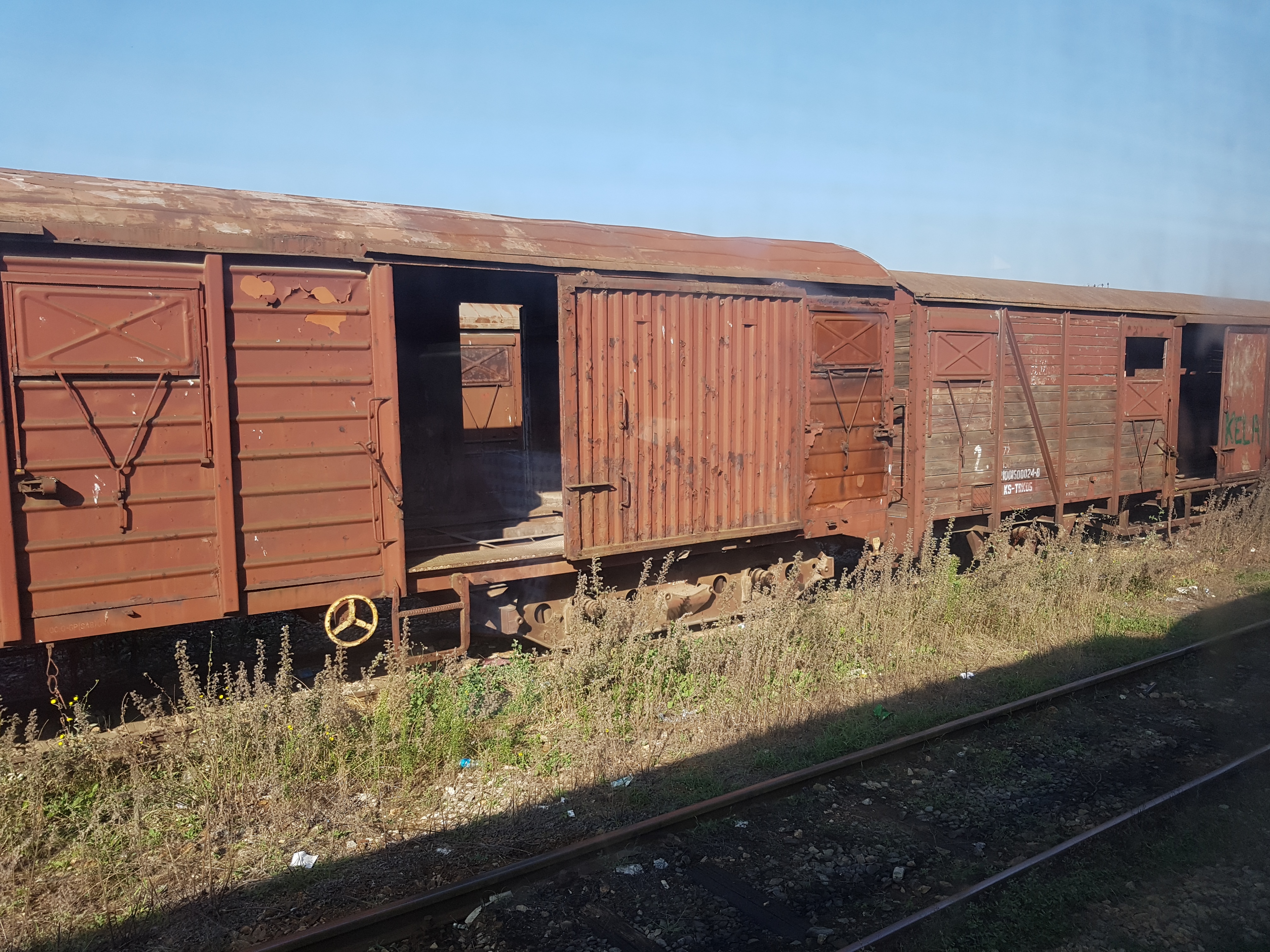
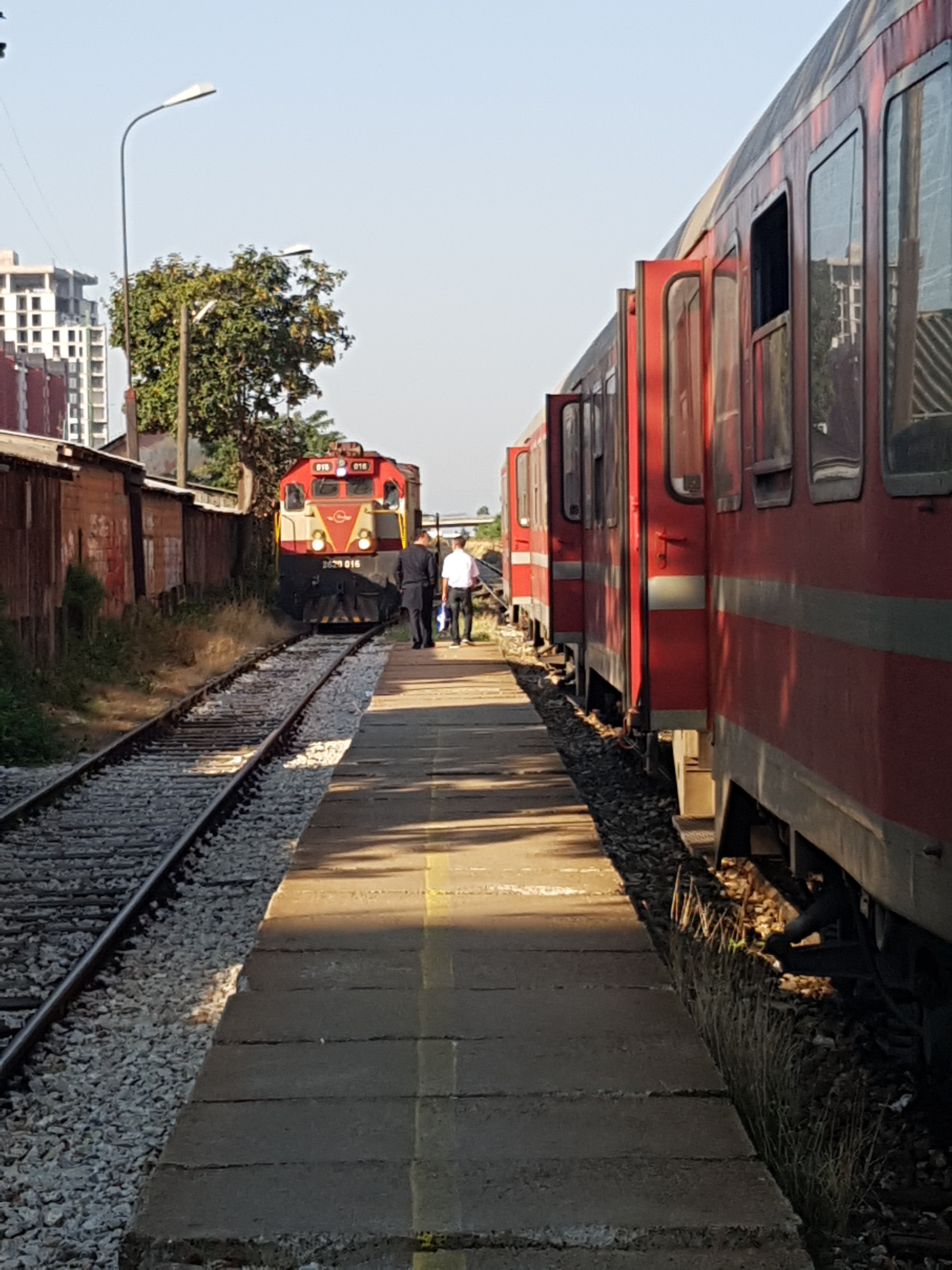
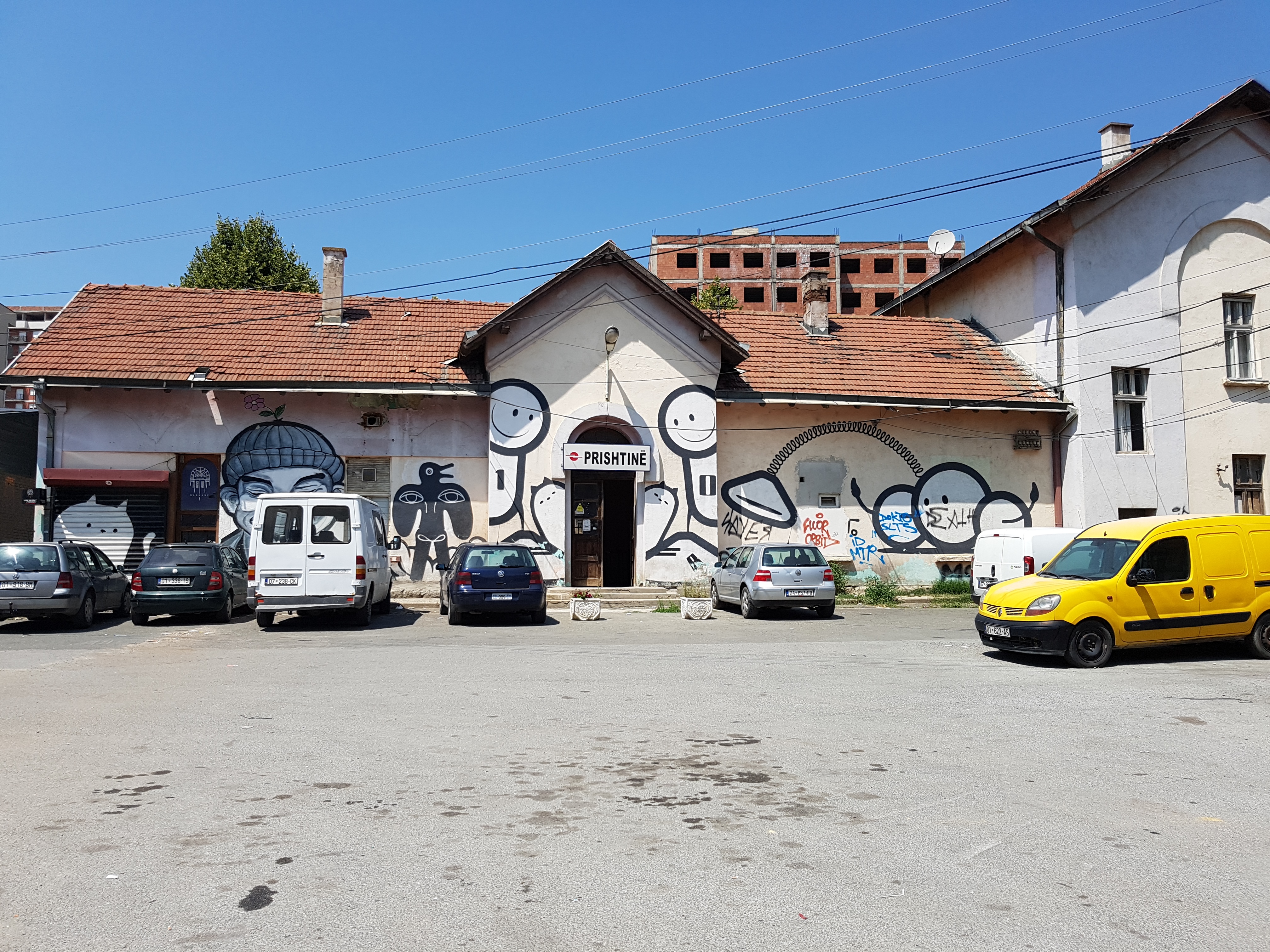
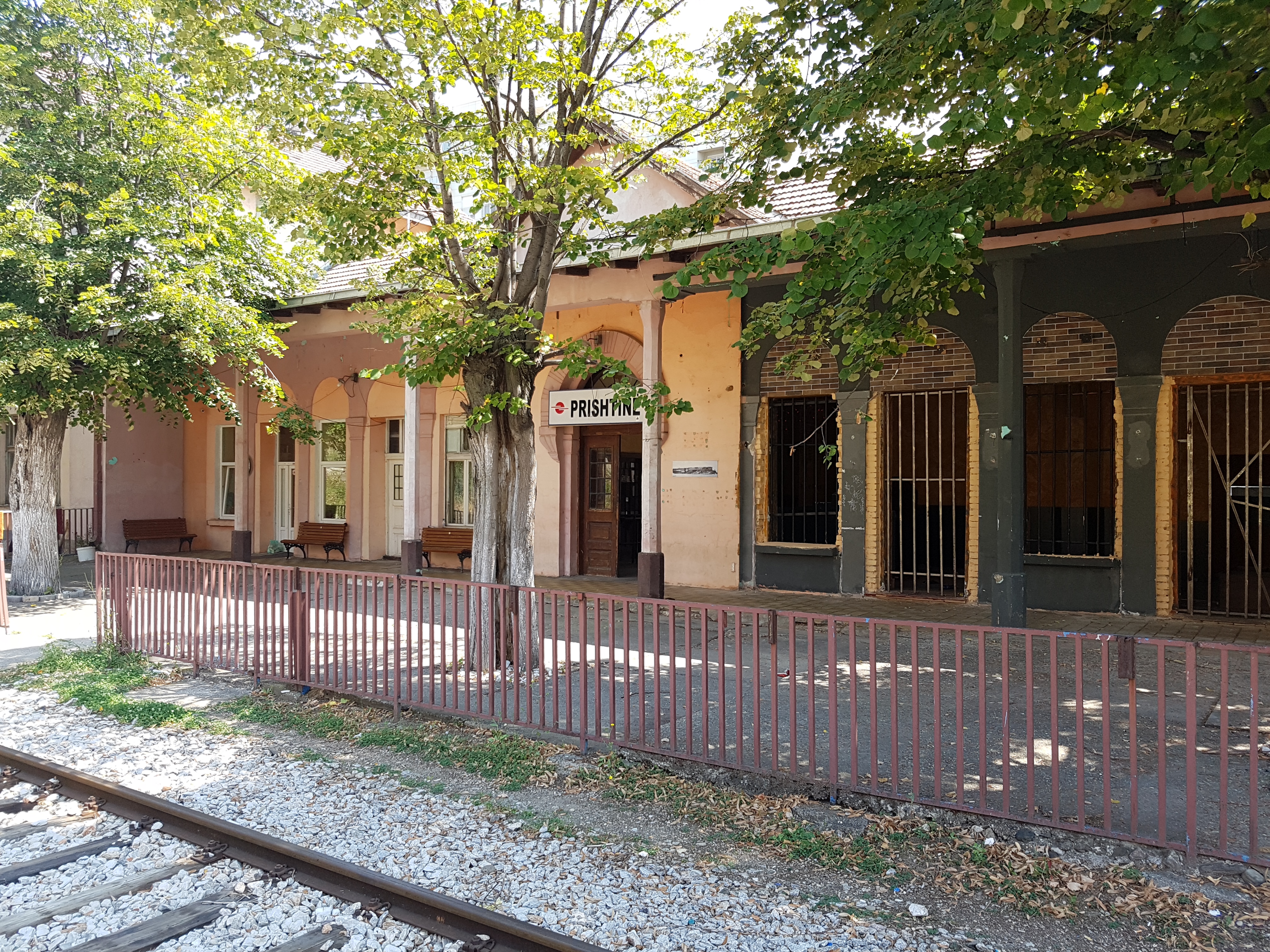
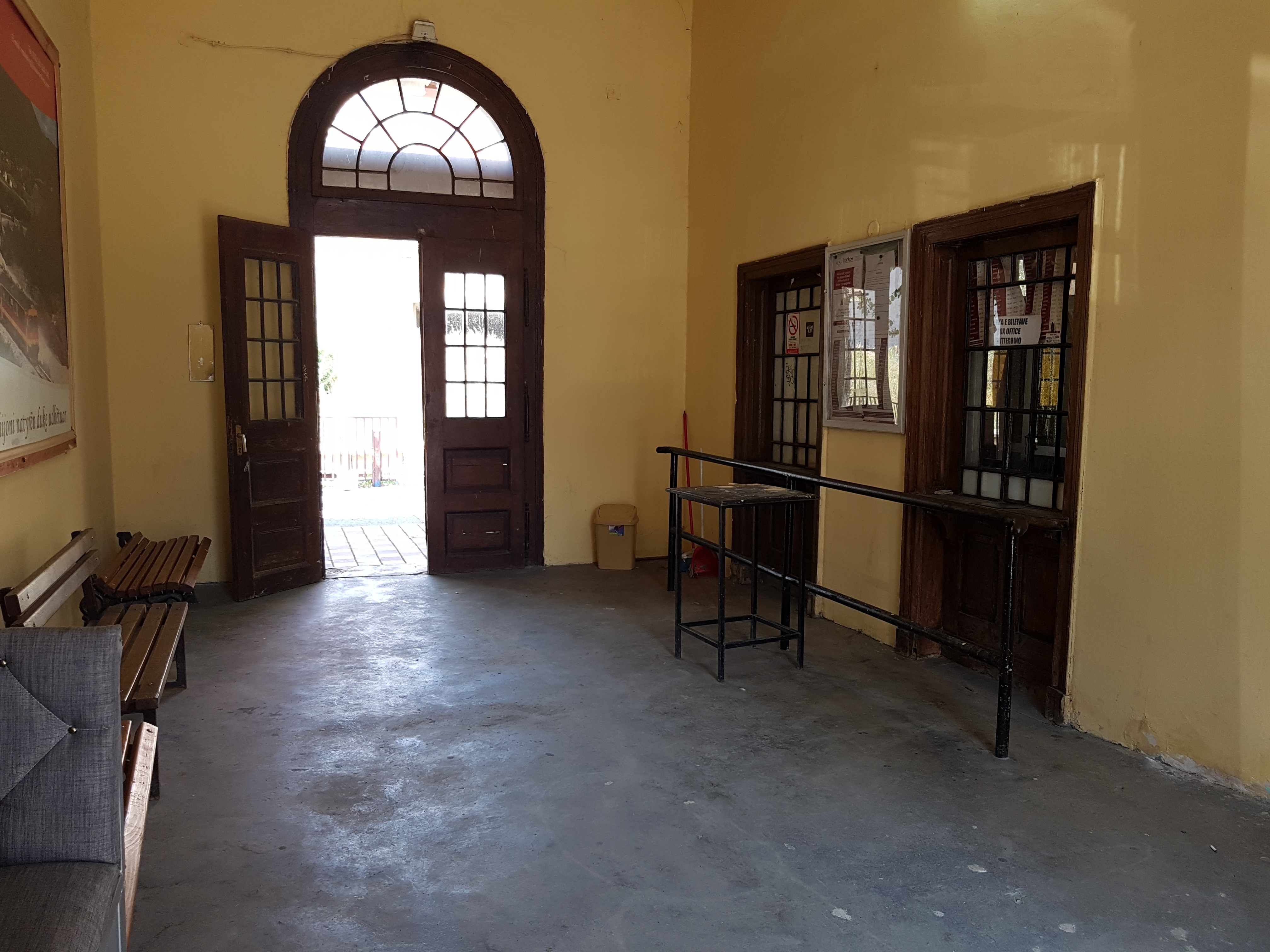
Peja is Kosovo’s fourth largest city. Estimates of its pop vary but its about 180,000. It seems much smaller. We arrived yesterday on a public holiday. The place was literally like a ghost town until early evening when some bars and restaurants ts thankfully reopened.
This morning we walked for 20 minutes just out of the City to a monestery dating back to the 13th century called The Patriarate of Peć. During the 1.5 hours we spend there including taking an audio tour. The church contains a marble throne on which Serbian bishops and patriarchs have been enthroned for many centuries, the last of which was in 2010. It is one of the most important sacred place. The frescos adorning the walls and ceilings inside are the most impressive I’ve ever seen.
The Patriarchate of Peć is an important sacred monument of spirituality, culture and Serbian history. The external area within the walls of the monastery contains the remains of medievil residences. It is beautifully maintained and landscaped. It has an ancient Mulberry tree,which legend has it was grown from a seed brought back from the holy land. Even if the legend is untrue, the tree is hundreds of years old and is a fine specimen. See below a photo ome standing under it.
Tomorrow we take a bus to Podgorica in Montenegro. I cant wait as we will drive through the majestic Accursed Mountains, one of the remotest areas in Europe. It has been too hot to hike and so i have made myself a solemn promise to return to Peć, in the not too distant future to hike in the fabulously named Accursed Mountains.
 Wandering Boomers